Top Ad 728x90

samedi 22 août 2026

WASHINGTON POWER COUPLE EXPOSED AS THEIR PERFECT MARRIAGE CRUMBLES IN PUBLIC SCANDAL

by


The illusion is finally dead.
For years, they sold us a love story scripted for the cameras, a flawless union wrapped in designer smiles and patriotic backdrops. But behind the gates, their empire was quietly rotting. Ambition replaced affection. Strategy replaced sincerity. Now, as the truth spills out, their children are left holding the emotional wreckage, wondering if anything they lived through was ever rea… Continues…

In private, their marriage became an endless negotiation, not of feelings but of optics. Every anniversary dinner was scheduled between fundraisers. Every family vacation doubled as a photo op. They stopped arguing not because the problems were solved, but because silence was safer—and more convenient for the brand. Love was no longer a promise; it was a prop, wheeled out when the polls dipped or scandals threatened to break.

Their children, once shielded by staff and security details, eventually learned to read the gaps—the separate bedrooms, the rehearsed compliments, the way their parents’ hands touched only when a lens was present. Now, as the separation unfolds in carefully crafted statements and legal filings, the most painful questions are the quiet ones: Which memories were genuine? Which moments were staged? And when the cameras finally look away, who are they allowed to be if they are no longer part of the show?

BREAKING NEWS confirms that the Earth will begin to…See more…

by


The truth didn’t explode into our lives. It slipped in quietly, disguised as routine data, cautious language, and calm scientific briefings. No sirens. No breaking news. Just a slow, unsettling shift from reassurance to unease as the numbers changed, the margins tightened, and the word “harmless” began to feel like a gamble we could no longer af… Continues…

We are, for once, spared. 52768 (1998 OR2) will not strike; it will glide past at a safe distance, a vast mountain of rock that will never touch our world. Yet its passage forces us to confront a fragile truth: survival is not guaranteed by luck alone. It is earned through vigilance, foresight, and the uncomfortable willingness to imagine disaster before it happens.

This asteroid becomes less an object in the sky than a mirror held up to us. It reveals how easily we are distracted by the noise of daily crises while a slower, quieter danger moves relentlessly on. The choice before us is stark. We can treat this encounter as a curious spectacle, soon forgotten, or as a final warning delivered without drama: prepare now, while we still have the luxury of time.

Authorities Conclude Months-Long Search for Missing Elderly Man, Investigation Continues

by


He vanished without a trace. For months, his family begged for answers while search teams combed fields, roads, and forgotten corners of the town. Then, on the outskirts, a disturbed patch of ground changed everything. What investigators uncovered ended the search—but not the questions, the suspicion, or the quiet fear spreading through the commu… Continues…

When authorities confirmed the remains were his, the news moved through the community like a cold wind. The family’s worst fears were realized, yet the uncertainty only shifted shape. Instead of asking where he was, they now ask how this could have happened, and whether someone, somewhere, knows more than they are saying. Detectives, careful not to jeopardize the case, describe the circumstances as “suspicious,” a single word that carries the weight of possible betrayal, missed warnings, and unanswered calls.

Behind the official statements, there is a quieter story: neighbors replaying what they saw, relatives revisiting old conversations, officers sifting through hours of footage and fragments of digital traces. The investigation now centers on timelines and tiny details, the kind that can turn a tragic disappearance into a solvable mystery. For the family, closure will not come from identification alone, but from truth—however painful it proves to be.

My Widowed Father Married a Much Younger Woman — Then His Funeral Revealed a Carefully Kept Family Secret

by


My name is Diane, and I was thirty-four when my father, Robert Bennett, remarried eight months after my mother’s death. His new wife, Vanessa, was thirty-three. My father was sixty-nine, and the age difference immediately made my brother Mark suspicious. I tried to remain open-minded because, after losing Mom, Dad seemed happier with someone beside him.

For the first few years, Vanessa brought energy back into his life. They traveled, went to restaurants, and attended events together. Dad started dressing differently and seemed more social. I was glad to see him smiling again. But gradually, Vanessa began changing the home my parents had shared for decades. Family photographs disappeared. Mom’s dining table was replaced. Dad’s favorite chair was moved downstairs. Even the lake house where our family had spent countless summers was eventually sold.

Mark was furious. I was hurt, but I kept trying to maintain peace. During one private lunch, Dad admitted that selling the lake house had not been easy. When I asked why he had agreed to it, he simply said, “Sometimes peace gets expensive.” I knew then that he was making compromises he had never made before.

As Dad’s health declined, the situation became more complicated. He developed serious heart problems and spent increasing amounts of time in hospitals. Vanessa appeared concerned when family members were around, but she also began asking questions about his finances and estate plans. One day, after a medical appointment, Dad unexpectedly asked me to drive him to a law office. He went inside alone and stayed for nearly an hour.

I asked what he had done when he returned. He only smiled and said, “Cleaned up my mess.” I had no idea how important that visit would become.

Dad died quietly several months later. Vanessa arranged the funeral and chose a formal photograph of him for the program. Mark and I sat behind her during the service. Everything seemed carefully planned until the funeral director, Mr. Harris, approached Vanessa shortly before the final prayer.

I watched her face change.

Mr. Harris then walked to the podium and explained that Dad had left written instructions for his funeral. The instructions had been signed and witnessed eighteen months earlier.

He opened a sealed envelope bearing my father’s handwriting.

“To my family, my friends, and especially my wife and children.”

The chapel became silent.

Dad’s letter began with a gentle joke, reminding everyone that he had always managed to lose his glasses. A few people laughed through their tears. Then he spoke about the people he had loved.

He wrote that my mother had given him forty-one years, two children, and a lifetime of memories. He also acknowledged Vanessa, explaining that she had brought companionship into his life during a period when loneliness had become difficult to bear.

Then came the sentence none of us expected.

Dad admitted that gratitude had sometimes caused him to say yes when he should have said no.

He apologized to Mark and me for allowing family memories to disappear and for making us feel like guests in our childhood home.

I cried.

For years, I had been angry at Vanessa, but I had also quietly wondered why Dad allowed so many things to change. Hearing him acknowledge his own choices brought a strange sense of peace.

Then the letter turned to Vanessa.

Dad said he did not regret marrying her. He remembered the good years, the trips they took, and the companionship she provided. But he also made it clear that love did not mean every decision should go unchallenged.

“My children should not have to fight my wife,” he had written. “My wife should not have to fight my children.”

Then he revealed that he had made arrangements for his estate long before his final illness.

An attorney named Mr. Cole stood at the back of the chapel. He had helped Dad prepare the documents.

Vanessa immediately objected.

Mr. Cole calmly explained that Dad’s estate plan had been prepared while he was mentally competent and that the documents had been properly witnessed.

The details surprised everyone.

Vanessa would receive what Dad had promised her when they married. She would receive a substantial amount of money, keep her personal belongings and vehicle, and retain assets that legally belonged to her. However, the family home would go to Mark and me.

The hardware business Dad had built with Mom would be placed into a structured trust benefiting family members and longtime employees.

And the money from the lake house sale had already been invested into a charitable fund helping families facing serious medical expenses.

Dad had not acted out of anger.

He had simply decided what he believed was fair.

Vanessa was furious. She insisted that she had spent six years supporting my father and deserved more. Mr. Cole reminded her that Dad had honored the financial promises he made before their marriage.

Mark and I were stunned. Neither of us had known about the estate plan.

After the funeral, Mr. Cole gave each of us a private letter from Dad.

Mine was several pages long.

Dad explained that he had known more than we realized. He had heard Vanessa discussing future plans for the property. He understood that she valued financial security and comfort. But he also acknowledged that their relationship had contained genuine affection.

That distinction stayed with me.

Dad did not describe Vanessa as a terrible person. He did not ask us to hate her. Instead, he asked us to understand that people can love one another while still making choices that cause pain.

His final message to me was simple: “Do not spend your life hating Vanessa. Anger is expensive too.”

I thought about those words for a long time.

Eventually, Vanessa moved out of the family home. Before leaving, she spoke to me privately. Without the polished appearance she usually maintained, she seemed tired and overwhelmed.

She admitted that she had made mistakes.

She regretted removing some of Mom’s photographs and selling family belongings.

Then she told me something unexpected.

“Robert talked about your mother in his sleep,” she said. “At first I hated it. Then I understood I was never replacing her.”

I didn’t know what to say.

“You didn’t need to,” I finally answered.

Vanessa nodded.

“I know that now.”

That was the last meaningful conversation we ever had.

Mark and I decided not to sell the house. Instead, we slowly restored it.

We brought Dad’s leather chair back upstairs. We turned the home gym into a workshop. We found old photographs in storage and placed them back on the walls.

Then, by an incredible coincidence, I discovered Mom’s dining table.

Vanessa had sold it to a furniture dealer, who had later sold it to another family. After hearing our story, the new owners agreed to return it.

When Mark and I carried the table back into the dining room, we found the tiny initials we had carved underneath it as children.

We both laughed and cried.

That moment changed how I viewed everything that had happened.

For years, I had believed Vanessa had taken our family away from us. But she hadn’t.

She had moved furniture.

She had changed rooms.

She had made choices we deeply disliked.

But she could never erase our memories.

She could not erase Mom’s laugh, Dad’s stories, our childhood summers, family dinners, or the countless ordinary moments that had shaped us.

Dad’s final decision was not about revenge. It was about boundaries.

He protected his children without pretending that he had never loved his wife. He honored Mom without humiliating Vanessa. He kept the promises he had made while also making sure his children and longtime employees were protected.

A year after Dad died, Mark and I returned to the lake.

The family house was gone, and another family now owned the property. We stayed near the shoreline and scattered some of Dad’s ashes across the water, close to where Mom’s ashes had been released years earlier.

Mark looked at me and smiled.

“Think he found her?”

I laughed.

“If Mom has anything to say about it, he’s probably been hearing about selling the lake house ever since he arrived.”

We stood there until sunset.

Looking back, the most important thing Dad left us was not the house, the business, or the money.

It was perspective.

He taught us that love and disagreement can exist at the same time. He showed us that forgiveness does not mean ignoring harmful choices. And he reminded us that generosity should never require a person to abandon their own boundaries.

Vanessa thought she understood exactly what would happen when my father died.

She believed his silence meant he had never noticed what was happening around him.

She was wrong.

Dad had been paying attention.

He simply waited until the right moment to make his final decisions.

And when that moment came, he chose fairness over anger, family over appearances, and peace over revenge.

In the end, everyone received what Dad believed was right.

Why Do Jeans Develop Strange Ripples After Washing? Here’s What Causes Them

by


If your favorite jeans come out of the washing machine with strange ripples, wavy lines, or puckering, you may wonder what went wrong. These marks are especially common around seams, pockets, thighs, and areas where the fabric has been stitched or reinforced. The good news is that this is a common denim issue, and in many cases, you can reduce it with a few simple changes to your washing and drying routine.

One of the main reasons jeans develop ripples is uneven fabric shrinkage. Denim is commonly made with cotton, a natural fiber that can respond to heat and moisture. During washing and drying, different parts of a pair of jeans may shrink at slightly different rates. Seams, hems, pockets, and other reinforced areas contain multiple layers of fabric and thread, so they may react differently from the surrounding material. When this happens, the fabric can pull together and create a puckered or wavy appearance.

Heat can make the problem more noticeable. Washing jeans in very hot water or placing them in a high-temperature dryer exposes the fibers to greater stress. Repeated high-heat drying can gradually change the shape and feel of denim. Instead of maintaining its original structure, the fabric may become more prone to wrinkles, twisting, or rippling. Using cooler settings is generally a gentler option for everyday denim care.

Another possible factor is the tension created during manufacturing. Jeans are assembled from multiple pieces of fabric using stitching, seams, zippers, pockets, and other components. During production, these pieces are sewn together under different levels of tension. Sometimes those differences are not obvious when the jeans are new. After the first few washes, however, the fabric can relax and reveal slight puckering or buckling around certain areas.

Stretch denim can behave differently as well. Many modern jeans contain a small amount of elastane or another stretch fiber to provide flexibility and comfort. These fibers respond differently to heat and repeated washing than cotton. Over time, frequent exposure to high temperatures can affect the fabric’s stretch and recovery. Following the care instructions on the garment label can help maintain the original fit and appearance.

The way jeans are washed also matters. An overloaded washing machine leaves less room for clothing to move freely. Jeans may become twisted or pressed against heavier garments during the wash cycle. Items such as towels, sweatshirts, or other thick clothing can increase friction and agitation, which may contribute to wrinkles and distortion.

For better results, consider washing jeans inside out in cold or cool water and choosing a gentle or normal cycle according to the care label. Avoid packing too many items into the machine at once. After washing, gently reshape the jeans while they are still damp, paying attention to the waistband, legs, seams, and pockets.

Drying is equally important. Whenever practical, air drying is a gentle choice for denim. Hang the jeans or lay them flat according to the manufacturer’s instructions, and allow them to dry naturally. If you use a dryer, choose a lower-heat setting and remove the jeans before they become excessively dry.

If your jeans already have ripples, lightly dampening the affected area and smoothing the fabric by hand may help. A gentle iron or steamer can also be useful when permitted by the care label. Avoid applying excessive heat directly to stretch denim.

With proper care, you can help your jeans maintain their shape, reduce unnecessary puckering, and extend the useful life of your favorite pairs. Always check the manufacturer’s care instructions first, since different denim blends and finishes can require different washing and drying methods.

After Our Dad Died, My Brother Offered to Walk Me Down the Aisle — Then My MIL Objected

by


My brother asked me if he could do Dad’s job.

We had been sitting in the kitchen for nearly an hour, and Nathan kept starting sentences and stopping. He does that when something matters deeply to him. He looks at the table, rubs his thumb against the side of his mug, says “So…” a few times, and then decides maybe the question can wait.

That night, it couldn’t.

“Can I do Dad’s job? At the wedding.”

At first, I thought he meant handing out programs.

“What job?” I asked.

He looked at me like I was deliberately being slow.

“I mean walking you,” he said. “Down the middle part.”

The aisle.

Dad had been gone for 11 months.

Nathan was 31, and he had always been especially close to Dad. They spent Saturdays together in the garage, drank coffee from the same style of mug, and told the same terrible jokes that somehow made each other laugh.

Dad taught Nathan how to change oil, sharpen garden tools, and make grilled cheese without burning the pan. Nathan taught Dad something just as important: how to stop taking life so seriously.

When Dad died, something became quieter in both of us.

For 11 months, I had avoided thinking about who would stand beside me at the back of that church. Every possibility seemed wrong.

My uncle Patrick felt too obvious. My mother would probably cry before we reached the first row. Walking alone was possible, but I knew I would notice the empty space beside me.

Then Nathan asked.

I covered my mouth with my hand.

He waited patiently.

“Sarah?”

I nodded because speaking was suddenly difficult.

“Yes.”

His whole expression changed.

“Yes?” he repeated.

“Yes, Nathan.”

He stood so quickly that his chair scraped across the floor.

Then he hugged me.

“I won’t go too fast,” he said.

I laughed through my tears.

“Good.”

“I practiced with Dad before.”

I pulled back.

“What?”

“For your wedding.”

Apparently, years earlier, Dad had joked with Nathan that when I eventually got married, Nathan would need to make sure he didn’t rush down the aisle or forget where to stand.

Nathan had remembered.

He had apparently remembered everything.

I started crying again.

Nathan looked worried.

“Did I say it wrong?”

“No.”

“Then why are you crying?”

“Because apparently that’s what brides do.”

He thought about that for a moment, then accepted it.

Nathan began practicing that same week.

My uncle told me later that Nathan would walk through the upstairs hallway with his arm extended, counting his steps.

One.

Two.

Three.

Pause.

Turn.

Again.

But practicing at home wasn’t enough for him.

Without telling any of us, he called the church and asked the priest what he should do when he reached the front.

Father Michael called me afterward.

“Your brother is taking this very seriously.”

“I know.”

“He asked whether he should bow before or after giving you away.”

I laughed.

“What did you tell him?”

“That nobody is giving you away.”

Apparently Nathan disagreed.

“Dad said that’s what it’s called.”

Father Michael eventually explained that Nathan would walk me to the front, shake Daniel’s hand, give me a hug, and then sit beside Mom.

Nathan wrote down every step.

He practiced that too.

Whenever someone expressed concern that the crowd might make him nervous, he gave the same answer.

“I practiced.”

Mom worried that the church might feel overwhelming.

“I practiced.”

Uncle Patrick wondered whether the music could affect his timing.

“I practiced.”

Daniel asked whether he wanted someone nearby in case he forgot where to sit.

Nathan frowned.

“I practiced.”

Everyone agreed.

My mother cried.

Daniel said it was the only version of the wedding that felt right.

For a while, that was the end of it.

Then, three weeks before the wedding, Daniel’s mother brought it up at dinner.

Her name was Margaret. I had known her for five years. We had never been especially close, but we had always been polite to one another.

Margaret liked things organized and carefully planned. She noticed details other people overlooked and preferred everything to look exactly as she imagined it.

Dinner was almost finished when she placed her fork beside her plate.

“I wanted to ask about the processional.”

Daniel looked up.

“What about it?”

“Is Nathan still walking Sarah?”

I glanced at her.

“Yes.”

Margaret smiled, but there was something restrained about it.

“He can come, obviously. Nobody is saying he can’t come.”

Daniel immediately looked uncomfortable.

“I’m saying he doesn’t have to be in it,” she continued. “Think practically. It isn’t just one photograph. It’s the whole aisle sequence, the album, the family pictures, and the photographs you’ll have around the house for years.”

I stared at her.

She continued.

“His face will be in all of those photographs.”

Daniel went still.

“You’ll be looking at those pictures for decades,” she said. “I just don’t want them to be uncomfortable.”

The room became completely quiet.

I had several things I wanted to say.

I wanted to ask what exactly she found uncomfortable.

I wanted to remind her that Nathan was my brother.

I wanted to remind her that Dad was gone.

Most of all, I wanted her to understand that my wedding photographs were not decorations selected for somebody else’s approval.

But before I could respond, Daniel reached under the table and squeezed my hand.

“We’ll figure something out,” he said.

For a moment, I thought he meant we would find a way to remove Nathan from the ceremony.

Then I looked at Daniel’s face.

He knew me.

He knew that if I started arguing at that table, the entire evening would become a confrontation. More importantly, Nathan might eventually hear about it.

I didn’t want that.

So I smiled and said, “The salmon was very good.”

Daniel nearly choked.

Dinner ended shortly afterward.

I didn’t speak in the car until we were several minutes down the road.

Then I said, “Pull over.”

Daniel looked at me.

“Why?”

“Because I need to yell, and I don’t want you trying to drive while I’m doing it.”

He pulled into a nearby parking lot.

I turned toward him.

“What was that?”

“I know.”

“No. What did you mean when you said we’d figure something out?”

“I meant I needed five minutes before you started an argument with my mother.”

“She said she didn’t want my brother in our wedding photographs.”

“I heard her.”

“And you said we’d figure something out?”

Daniel looked directly at me.

“Sarah, Nathan is walking you down that aisle.”

I stopped.

“There was never another option,” Daniel said. “Not for me.”

“Then why didn’t you tell her that?”

“Because I didn’t want our wedding to become a family argument.”

Despite myself, I laughed.

Then I cried.

Daniel reached for my hand.

“I don’t want Nathan to know what she said,” I whispered.

“He won’t.”

“Promise?”

“I promise.”

That promise mattered more than anything else.

Nathan had already spent nearly a year missing Dad. He didn’t need to know that someone had questioned whether he belonged beside me on the most important day of my life.

That night, I couldn’t sleep.

Around three in the morning, I finally knew what I was going to do.

It wasn’t going to involve Margaret.

The next morning, I called our photographer, Lena.

“I need to make a change to the photography plan,” I said. “And I need it kept private.”

She listened.

“I want another photographer covering the ceremony.”

“We already have a second photographer.”

“I want one more angle.”

“For the ceremony?”

“For Nathan.”

She paused.

“Tell me what you want.”

I explained everything.

I wanted photographs of Nathan getting ready.

I wanted him waiting at the church doors.

I wanted his expression when he saw me.

I wanted his hands.

His steps.

His concentration.

The moment he reached the front.

The handshake with Daniel.

The hug.

And, most importantly, I wanted the moment he stood there with the note he had written.

“I want the whole story,” I told her.

Lena understood immediately.

We arranged for an additional photographer to capture those moments without disrupting the ceremony.

The extra coverage meant changing part of our budget, so I simplified some of the floral arrangements.

It was worth every dollar.

For the next three weeks, Nathan kept practicing.

He sent me updates.

“Twenty-two steps today.”

Then another message:

“I forgot to slow down at the turn. Doing it again.”

One afternoon, he called Daniel.

“What hand do I use?”

“For what?”

“The handshake.”

“Your right hand.”

“But Sarah is on my right.”

Daniel explained that Nathan could release my arm first.

There was a long pause.

Then Nathan said, “I let go of Sarah first.”

“Exactly.”

“I practiced.”

The morning of the wedding arrived faster than I expected.

I was calmer than I thought I would be until Mom brought me Dad’s cufflinks.

They were for Nathan.

I cried so hard that my makeup artist had to step out of the room for a few minutes.

Meanwhile, Nathan was getting ready with Daniel.

Daniel eventually sent me a photograph.

Nathan was wearing his suit, his hair neatly combed, Dad’s cufflinks visible at his wrists.

His expression was unusually serious.

Daniel wrote:

“He has asked what time it is eleven times.”

I replied:

“Tell him I haven’t escaped.”

A minute later, Daniel answered.

“He says good.”

When the time finally came, I stood in the small room at the back of the church.

Nathan walked in.

He stopped when he saw me.

For a moment, neither of us spoke.

Then he said, “You look like Mom’s wedding picture.”

That sentence broke through every bit of composure I had left.

“You look like Dad,” I told him.

He touched one of the cufflinks.

“I know.”

The music began.

Nathan straightened his shoulders and held out his arm.

“Ready?”

“No.”

He frowned.

“That’s not right.”

I laughed through my tears.

“I’m ready.”

He nodded.

“Good.”

The doors opened.

The church was filled with family and friends.

I saw Daniel at the front.

I saw Mom already crying.

I saw Margaret sitting quietly.

Then I stopped paying attention to everyone else.

I focused on Nathan.

He started counting softly.

“One.”

Step.

“Two.”

Step.

“Three.”

I squeezed his arm.

He looked at me.

“Too fast?”

“No.”

“I practiced.”

“I know.”

Halfway down the aisle, his expression changed.

I thought he might cry.

Instead, he whispered, “Dad would’ve liked your dress.”

I nearly lost my composure again.

At the altar, Nathan stopped exactly where Father Michael had instructed.

He released my arm.

He shook Daniel’s hand.

Daniel pulled him into a hug.

Then Nathan turned toward me.

But instead of walking away, he reached inside his jacket.

My stomach dropped.

“What are you doing?”

He pulled out a folded piece of paper.

Father Michael smiled.

Apparently, he had known about this part.

Nathan unfolded the paper.

“I wrote something,” he said.

His voice shook at first.

Then it became steadier.

“Sarah is my little sister.”

He looked at me.

“Dad always walked with her when she was scared.”

My eyes filled with tears.

“Dad can’t do that today, so I did.”

The church was completely silent.

Nathan looked down at his paper.

“Dad told me I am her big brother and I should take care of her.”

Then he looked up.

“So that is what I am doing.”

There wasn’t a dry eye in the room.

Mom was crying openly.

Daniel put his hand on my back.

Father Michael quietly removed his glasses.

Nathan folded his paper carefully.

Then he looked at me.

“Do I sit now?”

Everyone laughed through their tears.

“Yes,” I said.

He walked to his seat beside Mom.

The ceremony continued.

And Margaret never said another word about the photographs.

Eight weeks later, our wedding album arrived.

The main album was beautiful.

But the second album meant more to me.

It began with Nathan getting ready.

Dad’s cufflinks.

Nathan checking the time.

Nathan standing at the church doors with his arm extended.

Then came the photographs of our walk.

His face was focused.

His lips were moving as he counted.

My hand was around his arm.

One photograph captured the exact moment he looked at me halfway down the aisle.

Another showed Daniel hugging him at the altar.

Then came the photographs of Nathan holding his handwritten note.

The entire story was there.

Not just the wedding.

Not just the ceremony.

The meaning behind it.

We hosted dinner at our home several weeks later.

Daniel’s parents came.

Mom came.

Nathan came too, happily discussing a football game with Daniel.

I placed the album on the coffee table without saying anything.

Later, I noticed Margaret sitting with it open on her knees.

She had reached the photographs of Nathan at the church doors.

She stared at one for a long time.

Then she turned another page.

When she reached the photograph of Nathan holding his note, she stopped.

“He practiced this,” she said quietly.

I stood behind the couch.

“Every day for three weeks.”

She looked at another photograph.

Then another.

Finally, she closed the album.

“Can I get a copy of this one?”

I knew exactly which photograph she meant.

The picture of Nathan at the altar.

“Yes,” I said.

She never gave me the apology I expected.

But over time, I realized I didn’t need one.

A few weeks later, Daniel sent me a photograph from his parents’ house.

The picture was hanging in Margaret’s hallway.

Nathan stood at the altar, holding his note.

It was framed.

Daniel said Margaret had paid far more for the frame than necessary.

Apparently, when visitors asked about it, she explained:

“That’s Sarah’s brother, Nathan. Their father died before the wedding, so Nathan walked her down the aisle.”

Then she would add:

“He practiced for three weeks because he wanted to get it right.”

She told the story with pride.

I never told Nathan what Margaret had originally said.

He doesn’t know there was ever a discussion about whether he belonged in the photographs.

As far as Nathan knows, he asked to do Dad’s job.

Everyone said yes.

He practiced.

And he did it perfectly.

Maybe that’s the part that matters most.

A wedding is supposed to preserve memories, not satisfy someone else’s idea of perfection. The people standing beside us, the people who love us, and the moments that carry meaning are what make those photographs valuable.

Nathan didn’t need to prove anything to anyone.

He simply wanted to stand beside his little sister because that was what Dad had taught him a big brother should do.

And when the day came, he kept his promise.

He walked me down the aisle.

He held Dad’s cufflinks.

He remembered every step.

And he gave me a memory I will carry for the rest of my life.

So perhaps the real question isn’t whether one person’s prejudice should decide who appears in our most important memories.

Perhaps the better question is this:

Why should anyone else get to decide which moments deserve to be remembered?

For me, there was only one answer.

Nathan belonged in every photograph.

A Woman’s Ordinary Daily Routine Took an Unexpected Turn — What Happened Next Raised Important Questions

by


An ordinary day can change in an instant when an unexpected medical emergency occurs. A woman who had recently finished washing at home suddenly became seriously unwell and collapsed. Those around her were reportedly unable to understand what was happening at first, and emergency assistance was sought. The incident later ended in tragedy, leaving people with questions about what may have happened and whether an underlying medical problem was involved.

Stories involving sudden illness can easily lead to speculation, especially when an event happens shortly after an everyday activity. However, timing alone does not establish a cause. A person can experience a serious medical emergency for many different reasons, including an unexpected health condition, an allergic reaction, environmental exposure, or another circumstance that may not be immediately obvious.

The details surrounding this case should therefore be treated carefully. Although the incident has been described in connection with washing and the products used beforehand, that does not automatically mean that soap, shampoo, water, or another household product caused the emergency. Determining the actual cause of a sudden collapse generally requires medical evaluation and, when appropriate, an official investigation.

One important lesson from situations like this is the value of recognizing warning signs. Severe difficulty breathing, sudden weakness, confusion, loss of consciousness, chest discomfort, seizures, or a rapid deterioration in someone’s condition should always be treated as an emergency. People nearby should contact local emergency services and follow the instructions provided by trained professionals rather than attempting to determine the diagnosis themselves.

Household products should also be used according to their labels. Cleaning chemicals, personal-care products, and other substances should not be mixed unless the manufacturer specifically states that doing so is safe. Products should be kept in their original containers and stored away from children and pets. Good ventilation can also be important when using substances that produce strong fumes.

At the same time, it is important not to turn an unexplained tragedy into a warning about a specific product without reliable evidence. Social media posts can sometimes connect unrelated events and present assumptions as established facts. This can create unnecessary fear and make it difficult for readers to distinguish between confirmed information and speculation.

The circumstances surrounding the woman’s emergency remain the central part of the story. What began as a routine moment at home became a serious situation that required urgent assistance. The tragedy serves as a reminder that unexpected medical emergencies can happen without warning and that professional help should be sought whenever someone suddenly becomes severely ill.

For readers, the most useful takeaway is not to fear ordinary bathing or personal-care routines. Instead, it is to remain attentive to unusual symptoms, use household products responsibly, and seek immediate medical assistance when a person’s condition changes dramatically.

When a tragic event occurs, people naturally want an explanation. Sometimes, however, the full answer is not immediately available. Until medical professionals or official authorities establish the facts, responsible reporting should avoid assigning blame or claiming that a particular product, activity, or exposure caused the outcome.

The story ultimately highlights the importance of caution, accurate information, and prompt action during emergencies. A frightening event can generate many theories, but reliable facts matter most. By waiting for verified information and responding quickly when someone becomes seriously ill, people can avoid unnecessary panic while taking the appropriate steps to protect those around them.

Remembering a Beloved 100-Year-Old Radio Star — A Look Back at Her Extraordinary Career

by


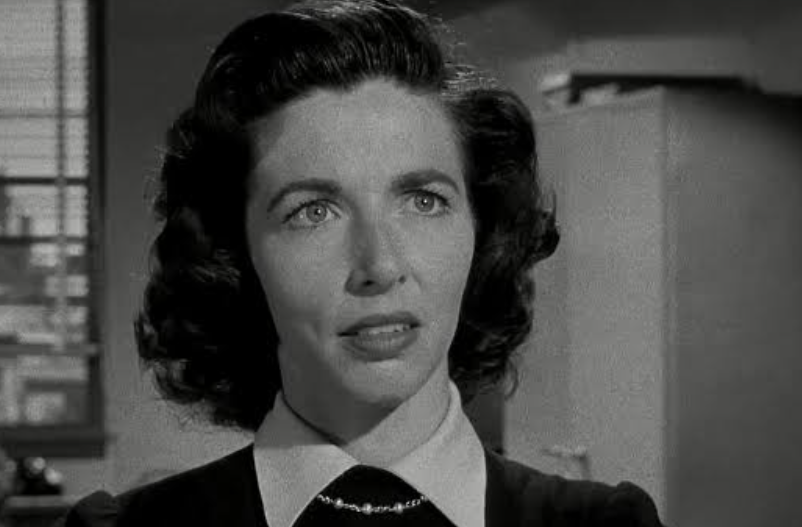
Peggy Webber, a longtime radio actress whose career spanned generations of American entertainment, has died at the age of 100. Known for her remarkable range, memorable voice performances, and dedication to radio drama, Webber leaves behind a career that helped connect classic broadcasting with later generations of performers and listeners.

Webber died on August 15 at an independent living facility in Napa, California, according to her son, Rob Sinskey. Her death was attributed to natural causes. While she may not have had the same level of name recognition as some of the major stars she worked alongside, her contribution to radio, television, and film was significant.

Born on September 15, 1925, in Laredo, Texas, Webber developed an interest in performing at a remarkably young age. Her family later moved to Arizona, where she attended Tucson High School. Before reaching her teenage years, she had already begun exploring opportunities in radio, a medium that would become the foundation of her long and varied career.

Webber made her radio debut at just 12 years old. By the 1940s, she had become an established performer, taking on a wide variety of characters across numerous broadcasts. Her ability to change her voice and portray different personalities helped make her a valuable presence during radio’s golden era.

A 1946 profile in Time highlighted the extraordinary scale of her work, noting that she had performed numerous characters across thousands of broadcasts. Her credits included popular radio programs such as The Adventures of Sherlock Holmes, where she performed alongside Basil Rathbone and Nigel Bruce.

One of her notable radio performances came in 1944, when she portrayed Ilsa in a radio adaptation of Casablanca. The role had been famously played by Ingrid Bergman in the classic film, giving Webber an opportunity to bring her own interpretation to a character already familiar to audiences.

Although radio remained central to her career, Webber eventually expanded into television and film. Her work brought her into contact with some of the most recognized names in entertainment.

In 1948, Orson Welles cast Webber as Lady Macduff in his adaptation of Macbeth. She later appeared in Alfred Hitchcock’s 1956 film The Wrong Man. Webber also became associated with the horror genre through her appearance in the 1958 movie The Screaming Skull.

Despite her work across several forms of entertainment, Webber never lost her connection to radio. Decades after her early success, she continued supporting the art form and helped introduce radio drama to new audiences.

In 1984, she founded California Artists Radio Theatre, an organization dedicated to producing and preserving radio-style dramatic performances. Through this work, Webber helped ensure that the traditional format she had known since childhood could continue for future generations.

Her commitment to the craft remained strong well into her later years. Even in her 90s, she continued participating in radio projects and sharing her experience with other performers.

In a 2015 interview, Webber spoke about the sense of responsibility she felt toward the opportunities she had received throughout her career. Her words reflected the dedication that had guided her work for decades.

Webber’s career lasted nearly seven decades, an extraordinary achievement that allowed her to experience enormous changes in the entertainment industry. She began during the golden age of radio and remained active as television, film, and new forms of media transformed the way audiences experienced stories.

Her legacy is not limited to the number of productions in which she appeared. Webber also helped preserve a form of storytelling built around voice, imagination, character, and performance.

For listeners who grew up with classic radio, performers such as Peggy Webber represented an important part of entertainment history. For younger generations, her career offers a reminder of how much storytelling could be accomplished with little more than talented performers and the power of the human voice.

Peggy Webber’s remarkable journey from a young radio performer to a respected veteran of the entertainment industry has come to an end. She leaves behind decades of performances, a lasting contribution to radio drama, and a body of work that reflects her lifelong commitment to storytelling.

Her voice may no longer be heard in new performances, but the work she created and the artistic tradition she helped preserve will continue to be remembered.

Authorities Continue Investigating Nancy Guthrie’s Disappearance as New Leads Emerge

by


The investigation into the disappearance of Nancy Guthrie continues to draw public attention as authorities work to determine the facts surrounding the case. While recent developments have introduced new information, officials emphasize that the investigation remains active and that many questions have not yet been answered. As with any ongoing case, investigators are carefully reviewing evidence before reaching conclusions.

One of the most discussed developments involves letters that were received by investigators. According to law enforcement officials, the messages contain claims about what may have happened to Nancy Guthrie. However, authorities have not confirmed that the information contained in the letters is accurate. Instead, they are treating the correspondence as potential evidence while continuing to verify every detail through the investigative process.

The release of information about the letters has generated significant public interest and encouraged more people to contact investigators. Officials have reported receiving additional tips from members of the public who hope their information may assist the investigation. While many of these leads still require careful review, law enforcement agencies say every credible tip is being examined as they continue searching for answers.

Investigators have also reminded the public that ongoing cases often involve incomplete information. Early reports, rumors, or unverified claims can easily spread online before facts have been confirmed. For that reason, authorities encourage people to rely on official updates rather than speculation. This careful approach helps protect the integrity of the investigation and ensures that evidence is evaluated properly before any conclusions are announced.

The case has attracted widespread attention because of the unanswered questions surrounding Nancy Guthrie’s disappearance. Family members, friends, and community supporters continue to hope for meaningful progress as investigators pursue every available lead. Law enforcement agencies remain committed to examining physical evidence, reviewing witness statements, and analyzing any new information that becomes available.

Experts note that investigations of this nature can take time, particularly when authorities must verify documents, interview witnesses, and compare multiple sources of information. Although recent developments have added new pieces to the investigation, officials stress that none of the latest claims should be considered confirmed until supported by reliable evidence. This cautious process is standard practice in major investigations and helps ensure accuracy.

At this time, no official announcement has confirmed Nancy Guthrie’s location or established exactly what happened. Authorities have not announced any arrests directly connected to the case, and the investigation remains ongoing. As new evidence is reviewed, investigators continue working to separate verified facts from unconfirmed claims while following every promising lead.

For now, the disappearance of Nancy Guthrie remains an active investigation. Recent developments have brought renewed public attention and additional information for authorities to examine, but many important questions remain unanswered. Until officials complete their work and provide confirmed findings, the focus remains on gathering reliable evidence, evaluating new leads, and seeking a clear understanding of the events surrounding the case. Investigators continue to encourage anyone with relevant information to contact law enforcement through official channels, as even small details may prove valuable in helping move the investigation forward.

The Judge Opened My Envelope — And Suddenly, My Husband Had Nothing to Say

by


The divorce hearing was supposed to be a difficult but ordinary step toward ending my marriage. Instead, I walked into the Fulton County courtroom knowing that my husband, Julian, intended to make the situation far more complicated than it needed to be. He arrived in an expensive suit, carrying himself with the confidence of someone who believed the outcome had already been decided. Sitting behind him were my mother and sister, people I had once trusted without hesitation. Seeing them there was painful, but I reminded myself that the truth did not depend on who occupied the seats behind me.

Julian was asking for a significant portion of my business, along with claims involving assets that had been established before our marriage. My company was something I had spent years building through long hours, difficult decisions, and countless sacrifices. It represented more than money. It represented independence and the legacy my late father had encouraged me to protect. He had always warned me that not everyone who appeared supportive was genuinely interested in my well-being. At the time, I thought those warnings were simply a father’s attempt to prepare his daughter for life. Sitting in that courtroom, I began to understand exactly what he had meant.

What Julian did not know was that I had spent months preparing quietly with my legal and financial advisers. I had no interest in dramatic confrontations or public accusations. Instead, I wanted facts. My attorney, Elias Whitmore, had carefully reviewed the legal documents surrounding the disputed assets, while forensic accountant Dr. Nia Porter examined financial records that had raised questions during the divorce proceedings. Together, they uncovered transactions and business connections that deserved much closer examination.

The more they investigated, the more concerning the situation became. Several companies appeared to have been used to move money and obscure ownership relationships. Certain transfers did not make sense when compared with the records Julian had provided. There were also communications suggesting that people close to me had discussed my financial affairs without my knowledge. None of this was something I wanted to believe about my own family. I kept hoping there would be an innocent explanation.

But evidence does not disappear simply because the truth is uncomfortable.

My attorneys eventually assembled a detailed record of financial documents, messages, correspondence, and other materials relevant to the dispute. Some communications suggested that people around me had been attempting to influence my decisions and weaken my confidence during the marriage. The situation appeared increasingly coordinated, and I began to understand why certain conversations and family interactions had felt strangely unsettling for months.

On the morning of the hearing, I carried a sealed envelope containing certified financial records and supporting documentation. I did not know exactly how the judge would respond, and I did not want to make assumptions about the outcome. My only goal was to make sure the court had access to information that could be independently evaluated.

Julian seemed completely relaxed. At one point, he even gave a short laugh when he looked in my direction. He appeared convinced that I was overwhelmed and that his version of events would be accepted without much resistance.

I said nothing.

When the appropriate moment came, I handed the documents to Elias. He presented them to the court and explained why they were important. The atmosphere in the room changed almost immediately. Instead of relying on accusations or emotional arguments, the discussion shifted toward specific records, transactions, ownership structures, and written communications.

The judge examined the material carefully. Questions followed, particularly about the relationships between several business entities and people connected to my family. Some of the information required clarification, and the court requested additional documentation before making final determinations.

Julian’s confidence began to fade.

My mother and sister were no longer smiling.

For the first time, they appeared to realize that the situation could not simply be explained away as a family disagreement. Financial records have a way of making complicated stories much easier to examine. A statement can be disputed, but a documented transaction can be traced. An emotional accusation can be dismissed, but a written communication can provide important context.

The hearing continued as the judge considered whether certain disputed assets should be temporarily protected while the investigation proceeded. The court ultimately took steps to prevent the movement or transfer of assets that were under dispute. That decision gave my legal team time to continue examining the financial records without the concern that important property could suddenly disappear or change hands.

Most importantly, the judge made clear that ownership could not simply be assumed because someone demanded it.

That distinction mattered enormously to me.

Julian had treated the courtroom as though confidence could substitute for evidence. But the legal process required something different. Claims had to be supported. Financial interests had to be established. Property had to be examined according to applicable agreements and records. My trust and business interests would not simply become someone else’s property because they asked for them.

As the proceedings continued, more questions emerged about the financial arrangements connected to people close to Julian. My family’s involvement also became increasingly difficult to ignore. What had initially looked like a painful family disagreement was becoming a much more serious legal matter requiring careful review.

I resisted the temptation to celebrate.

There was nothing satisfying about discovering that people I loved had potentially participated in actions that threatened my financial security. I had spent years believing that family loyalty meant standing together during difficult moments. Now I was learning that loyalty without honesty could become a dangerous burden.

Outside the courtroom, the situation became increasingly tense. Messages began arriving from relatives who had previously refused to speak openly with me. Some wanted explanations. Others wanted forgiveness. A few attempted to place the blame on someone else.

I did not respond.

For months, I had been told that I was overreacting, worrying too much, or misunderstanding what was happening around me. Now the same people who had dismissed my concerns were suddenly asking me to listen.

I needed distance.

The legal proceedings continued for several months. Additional financial records were reviewed, ownership questions were addressed, and the court considered the evidence presented by both sides. My company remained operational, but I also took the opportunity to strengthen its internal controls. I separated personal and business responsibilities more carefully, improved oversight procedures, and made sure that important financial decisions could not depend on the trust of a single individual.

The experience changed the way I approached business.

It also changed the way I approached relationships.

I had once believed that being patient meant giving people endless opportunities to correct their behavior. I had believed that keeping peace within a family was worth almost any personal sacrifice. Eventually, I realized that peace built on silence is not necessarily peace at all.

When the court finally issued its decisions regarding the disputed property and financial claims, the outcome was far different from what Julian had expected. The claims against my established trust interests were not accepted simply because he had demanded them. My business remained under my control, subject to the legal terms and protections established during the proceedings. The court also addressed the financial consequences of pursuing claims that had not been adequately supported.

For me, the greatest victory was not financial.

It was clarity.

I no longer had to wonder whether I had imagined the warning signs. I no longer had to convince myself that certain behaviors were harmless. And I no longer felt responsible for protecting adults from the consequences of their own choices.

My relationship with my mother and sister never returned to what it had been. There were apologies, explanations, and emotional conversations, but some boundaries cannot be erased simply because someone becomes sorry after the consequences arrive.

I chose to move forward.

My company continued to grow. I surrounded myself with professionals who valued transparency, competence, and accountability. I reviewed contracts more carefully, strengthened financial safeguards, and stopped assuming that personal relationships automatically belonged inside business decisions.

The experience also taught me something I wish I had understood much earlier: protecting yourself does not make you selfish.

Sometimes, saying no is necessary. Sometimes, walking away is healthier than constantly trying to repair something that other people keep damaging. And sometimes, the strongest response to betrayal is not revenge or anger, but simply refusing to participate in the same cycle again.

Looking back, I realize that the courtroom was not the moment my life fell apart.

It was the moment I finally understood that my life belonged to me.

Julian had entered the hearing believing that confidence would carry him through. My family had apparently believed that emotional pressure could influence my decisions. They were wrong because neither confidence nor family connections can replace evidence, accountability, and careful preparation.

I walked into that courtroom frightened, disappointed, and uncertain about what the future would hold.

I walked out with something far more valuable than money.

I had my independence.

I had my business.

And, most importantly, I had finally learned to trust my own judgment.

The lesson stayed with me long after the divorce proceedings ended. Success is not only about building something valuable. It is also about protecting what you build, choosing the people you allow close to it, and having the courage to establish boundaries when circumstances demand them.

I did not set out to destroy anyone.

I simply refused to let anyone destroy me.

Today, my company is stronger, my decisions are clearer, and my circle is smaller but more trustworthy. I no longer measure family loyalty by how much disappointment I am willing to tolerate. I measure relationships by honesty, respect, and consistency.

What happened during that difficult chapter of my life could have left me bitter.

Instead, it made me wiser.

And that, more than anything I could have received from a courtroom, became the beginning of my freedom.

What Eating Okra May Do for Your Body — A Look at Its Nutritional Benefits

by


Okra is a familiar vegetable in many cuisines around the world, but its nutritional value is often overlooked. With its naturally soft texture, mild flavor, and versatile uses, okra can be a simple addition to a balanced diet. It provides dietary fiber, vitamins, minerals, and plant compounds that can contribute to overall wellness when enjoyed as part of a varied eating pattern.

One of the main nutritional benefits of okra is its fiber content. Dietary fiber plays an important role in digestive health because it helps support regular bowel movements and contributes to normal digestive function. Fiber can also help people feel satisfied after meals, making fiber-rich vegetables such as okra a useful part of meals designed around balanced nutrition.

Okra also contains several important nutrients, including vitamin C, vitamin K, folate, and minerals such as magnesium and potassium. These nutrients perform different functions throughout the body. Vitamin C contributes to normal immune function and helps protect cells from oxidative stress, while vitamin K is important for normal blood clotting and the maintenance of healthy bones. Folate is particularly important for normal cell division and growth.

Another interesting feature of okra is its naturally occurring plant compounds. Vegetables contain a variety of antioxidants and other bioactive substances that help protect plants from environmental stress. When people eat a diet rich in different vegetables and fruits, they receive a broad range of these naturally occurring compounds. Okra can therefore contribute to the variety of plant foods in a person’s regular diet.

Okra has also attracted attention for its potential relationship with healthy blood sugar management. Some laboratory and early research has investigated compounds found in okra and their possible effects on glucose metabolism. However, these findings should not be interpreted as proof that eating okra can treat diabetes or replace prescribed medication. Blood sugar is influenced by many factors, including overall diet, physical activity, genetics, sleep, and medical conditions. For people concerned about blood sugar, professional medical advice remains important.

Heart health is another area where a balanced diet can make a meaningful contribution. Okra provides fiber and potassium, nutrients that can fit into an eating pattern associated with cardiovascular health. However, no single vegetable can prevent heart disease by itself. A broader diet that includes vegetables, fruits, whole grains, beans, nuts, and other nutritious foods is generally a more useful approach to long-term health.

The way okra is prepared can also affect the overall nutritional quality of a meal. Fresh or frozen okra can be steamed, roasted, baked, or added to soups and stews. Cooking methods that use large amounts of added salt, sugar, or saturated fat can change the nutritional profile of the finished dish. Choosing simple preparation methods can make it easier to enjoy okra while keeping the entire meal balanced.

For some people, increasing fiber intake quickly may cause temporary digestive discomfort, such as gas or bloating. This is not unique to okra and can happen when the body adjusts to a higher-fiber diet. Drinking enough fluids and increasing fiber gradually may help. Anyone with a specific digestive condition or dietary restriction should discuss appropriate food choices with a qualified healthcare professional.

Ultimately, okra is not a miracle food, but it can be a nutritious part of an everyday diet. Its fiber, vitamins, minerals, and plant compounds make it a useful vegetable to include alongside a variety of other whole foods. Rather than focusing on one food as a solution for a particular health concern, the most sustainable approach is to build healthy eating habits over time.

Adding okra to soups, vegetable dishes, grain bowls, or balanced family meals can be an easy way to increase vegetable variety. When combined with regular physical activity, adequate sleep, and an overall nutritious eating pattern, foods such as okra can contribute to a healthy lifestyle. As with any nutrition topic, individual needs can differ, so people with medical conditions or specific dietary concerns should seek personalized advice from a qualified healthcare professional.

Healthy Lifestyle Tips for Better Comfort and Everyday Well-Being

by


Many people dismiss small physical changes because they seem minor or temporary. A little heaviness in the legs after a long day, occasional swelling around the ankles, or skin that appears slightly different may not seem like a reason for concern. However, these subtle changes can sometimes be your body’s way of letting you know that your circulation deserves attention.

Healthy circulation plays an important role in delivering oxygen and nutrients throughout the body. When blood does not move as efficiently as it should, especially in the legs, everyday activities may become less comfortable. Some people notice feelings of fatigue in their legs, while others experience swelling after standing or sitting for extended periods. These symptoms can have many possible causes, so it is important not to ignore changes that persist or worsen over time.

The skin can also reflect changes happening beneath the surface. You may notice dryness, discoloration, or areas that become more sensitive than usual. While these changes are not always linked to a serious condition, they are worth discussing with a healthcare professional if they continue or are accompanied by pain, swelling, or other unusual symptoms.

One of the most common mistakes people make is assuming that these issues will simply disappear on their own. Although occasional discomfort is common, symptoms that become more frequent or interfere with daily life deserve proper evaluation. Early assessment can help identify the cause and provide recommendations that may prevent future complications.

Fortunately, there are several everyday habits that may help support healthy circulation. Regular physical activity, such as walking or gentle stretching, encourages blood flow throughout the body. Avoiding long periods of sitting or standing without movement can also make a difference. If your work requires staying in one position for extended periods, taking short movement breaks throughout the day may help improve comfort.

Maintaining a healthy weight, drinking enough water, and following a balanced diet are additional lifestyle choices that support overall vascular health. Some people also find that elevating their legs while resting provides temporary relief from feelings of heaviness after a busy day. These simple practices can become valuable parts of a healthy daily routine.

It is equally important to know when professional advice is needed. Persistent swelling, ongoing pain, skin changes, or other symptoms that do not improve should be evaluated by a qualified healthcare provider. A medical examination can help determine the underlying cause and identify the most appropriate treatment or management plan based on your individual situation.

Taking care of your circulation is an investment in your long-term health and mobility. Paying attention to your body’s signals, adopting healthy habits, and seeking medical advice when necessary can help you stay active and comfortable for years to come. Even small positive changes made today can contribute to better overall well-being and support a healthier future.

Funeral Home Case Raises Questions About Trust, Loss, and Accountability

by


Funeral homes are places where families expect compassion, respect, and professionalism during some of the most difficult moments of their lives. When people say goodbye to loved ones, they place an enormous amount of trust in the professionals responsible for handling final arrangements. A recent case involving a Colorado funeral home has brought national attention to the importance of oversight, transparency, and ethical responsibility in the funeral industry.

Jon and Carie Hallford, who operated a Colorado funeral home, admitted to serious criminal charges connected to the improper handling of nearly 200 deceased individuals. According to court records and investigators, authorities discovered that numerous bodies had not been handled according to required standards, leading to a painful investigation for many families who had trusted the business with their loved ones.

The case has deeply affected relatives who believed they were receiving professional funeral services. Some families later learned that the services they paid for may not have been completed as promised, creating additional emotional distress during an already difficult grieving process. Investigators said that some remains provided to families as ashes were not what they were believed to be, raising further concerns about the actions of the funeral home operators.

Beyond the treatment of human remains, authorities also investigated financial activity connected to the business. Prosecutors alleged that money intended for legitimate business purposes, including federal assistance funds, was used improperly. The investigation revealed concerns about spending decisions and financial management, adding another layer to a case that had already caused widespread concern.

The Hallfords’ admissions to criminal charges marked a significant development in the legal process. They face serious consequences, including potential prison time, as courts consider the impact on families and the broader community. While legal proceedings can determine responsibility and punishment, many relatives say the emotional impact of the situation will continue long after a verdict or sentence is reached.

The case has also sparked discussions about the need for stronger protections within the funeral industry. Many people assume that funeral businesses operate under strict standards because of the sensitive nature of their work. However, experts say that families should always research funeral providers, review contracts carefully, and understand the services being offered before making arrangements.

Funeral professionals across the country have emphasized that the actions alleged in this case do not represent the work of the many people who dedicate their careers to helping families through loss. Most funeral directors follow established rules and view their role as a responsibility built on dignity and respect.

For communities affected by the case, the focus now remains on supporting families, improving accountability, and ensuring that similar situations are prevented in the future. The tragedy has highlighted how important trust is when families are making decisions during times of grief.

As the legal process continues, the Colorado funeral home case serves as a reminder that businesses handling sensitive personal matters must maintain the highest standards of honesty, care, and responsibility. For families, a final farewell is more than a service — it is a meaningful moment of remembrance, and they deserve confidence that their loved ones are treated with the respect they were promised.

What the First Body Part You Wash May Reveal About Your Personality

by


Many people have daily routines they rarely think about. One of those routines is the order in which they wash different parts of their body while taking a shower. Some people begin with their hair, while others naturally start with their chest, shoulders, or another area. Although these habits are usually based on comfort or routine, personality enthusiasts have long enjoyed exploring whether such small choices might reflect certain character traits. It’s important to remember that these ideas are meant for entertainment and self-reflection rather than scientific evaluation.

People who wash their hair first are often described as individuals who appreciate structure and organization. Since the head is commonly associated with thinking, planning, and decision-making, beginning with the hair is sometimes linked to a practical mindset. These individuals may enjoy creating schedules, keeping their surroundings organized, and approaching challenges with careful thought. Friends and coworkers might see them as dependable because they value preparation and consistency. They often feel most comfortable when they know what to expect and have a clear plan to follow.

Those who start with their hair may also enjoy learning new skills and solving problems through logic rather than impulse. They are often patient when making important decisions and prefer gathering information before reaching conclusions. While everyone is different, people with this habit may appreciate meaningful conversations and value honesty, responsibility, and reliability in their personal and professional relationships. Their calm approach can make them excellent planners and trusted team members.

People who wash their chest first, on the other hand, are often associated with confidence and openness. Because the chest is located near the heart, beginning there is sometimes interpreted as a sign of authenticity and emotional honesty. These individuals may enjoy expressing their opinions clearly and are often comfortable being themselves in a variety of situations. They may naturally take initiative when working with others and enjoy encouraging people around them.

Those who prefer washing their chest first are also frequently described as direct communicators. Rather than avoiding difficult conversations, they often believe in addressing issues respectfully and honestly. They may enjoy new experiences, adapt quickly to change, and feel comfortable making decisions when necessary. Their confidence can inspire others, although they generally appreciate teamwork just as much as independence. Many people with this habit value sincerity and believe that clear communication builds stronger relationships.

Of course, no single shower habit can truly define a person’s personality. Human behavior is influenced by countless factors, including life experiences, culture, upbringing, and individual preferences. The order in which someone washes different parts of their body may simply reflect convenience or a routine developed over many years. Still, personality quizzes and observations like these remain popular because they encourage people to think about themselves in a lighthearted way and spark interesting conversations among friends and family.

Whether you begin with your hair, your chest, or another part of your body entirely, there is no right or wrong approach. These personality interpretations are simply a fun way to explore everyday habits from a different perspective. The next time you step into the shower, you might notice your routine and wonder what it says about you—or simply enjoy the fact that everyone has their own unique way of starting the day.

I Thought I Was Helping My Sister Become a Mother—Then She Abandoned Her Baby on My Doorstep

by


1. The Daughter I Never Had

When I retired at 64, the days felt painfully quiet. I had no spouse, no children, and no one who checked in on me. Out of habit more than hunger, I started visiting a small café each morning. At first, I told myself I simply enjoyed the coffee, but deep down, I think I was looking for a reason to get out of bed and somewhere I might feel noticed.

The same young waitress always greeted me with a warm smile. She remembered my usual order and asked how I was doing every single day. Her kindness made the café feel like home, and her presence brought me gentle comfort. Sometimes, a simple “How are you today?” meant more to me than she could have known.

She listened patiently to my stories and encouraged me to try new hobbies. I began to look forward to our daily conversations more than the coffee itself. Somewhere along the way, I began to feel a protective, fatherly bond toward her. I knew there was a boundary between a customer and a waitress, so I never wanted to make her uncomfortable, but I couldn’t deny that her presence had filled a quiet space in my life.

I never said it out loud, but in my heart, she felt like the daughter I never had. One day, she wasn’t there. The next day, still gone. At first, I assumed she had simply changed shifts or taken a couple of days off. But as the empty chair behind the counter remained empty, an uneasy feeling began to settle over me.

When a week passed without seeing her, I grew concerned and asked the manager. He explained she had taken a leave of absence for personal reasons. With worry outweighing hesitation, I kindly asked if I could leave a note for her, and he quietly gave me her address. I wasn’t sure whether showing up would be welcome, but something inside me kept saying that if she was struggling, she shouldn’t have to face it completely alone.

When I visited her home, I found her sitting outside, looking tired but peaceful. She shared gently that she had been caring for her sick mother and was emotionally exhausted. I offered support, not out of duty, but from genuine care. She admitted that she had barely been sleeping and had been wondering how she would keep everything together.

With tears in her eyes, she whispered, “I always wished I had a dad who cared like you do.” In that moment, neither of us needed to say anything more. We had entered each other’s lives as strangers over cups of coffee, yet somehow, without planning it, we had both found the family we had been missing all along. From that day forward, our relationship was no longer about coffee or routine. It was about two lonely people discovering that family isn’t always defined by blood.

2. I Carried My Sister’s Baby, Then Became Her Mother

I carried my sister Claire’s baby for nine months, believing I was giving her the greatest gift of her life. She and her husband Ethan had struggled for years to become parents, and I wanted them to experience the love I already knew as a mother. I never imagined that the child I carried for them would eventually become mine.

The pregnancy went smoothly, and they were overjoyed when little Nora was born. They cried, thanked me, and left the hospital as a glowing new family. I believed our bond as sisters had grown stronger than ever. Watching Claire hold Nora for the first time filled me with a happiness I had never expected. I thought the hardest part was over.

For a few days after, Claire sent photos of Nora at home, peaceful in her crib. Then suddenly, the messages stopped. At first, I assumed they were overwhelmed with the demands of having a newborn. But one day passed, then another. By the third day, I couldn’t shake the feeling that something was terribly wrong.

On the sixth morning, I found a basket on my porch with Nora wrapped inside, along with a note saying they couldn’t continue due to her heart condition. For several seconds, I couldn’t even understand what I was reading. Then I looked down at the tiny baby in my arms, and my heart broke as I realized they had stepped away from caring for her. They hadn’t called me. They hadn’t asked for help. They had simply left their daughter at my door.

My heart broke as I held her, realizing they had stepped away from caring for her. In that moment, I promised Nora she would never feel unwanted again. I took her to the hospital, where doctors confirmed she had a treatable condition requiring surgery in the coming months. The diagnosis frightened me, but the doctors also gave me something Claire and Ethan hadn’t given themselves—the possibility of hope.

With legal support, I gained custody and later adopted her officially. The journey was difficult—filled with sleepless nights, medical appointments, frightening test results, and forms—but every smile reminded me it was worth it. There were nights when I sat beside her crib listening to every breath, terrified that something might happen while I slept. But each morning she opened her eyes, and I knew I had made the right choice.

When the surgery day came, I recovered from my fear only long enough to hold her hand before they wheeled her away. The hours that followed felt endless. I stared at the clock, praying, until finally the doctor appeared with a tired smile and told me the surgery had gone beautifully. Nora recovered beautifully, her heart growing stronger with each beat.

Love became our foundation. Now, five years later, Nora is a joyful child who dances, paints butterflies, and proudly says her heart was “fixed by love.” She calls me Mommy and fills our home with laughter. Sometimes, when she hugs me tightly, I remember the morning I found her abandoned on my porch, and I can hardly believe how much our lives have changed. Claire reached out once with an apology, but I found peace without reopening old wounds.

I gave Nora life twice—first by carrying her, and then by choosing her. And she, in return, gave my life a deeper purpose than I ever imagined. I had agreed to carry a child for my sister, never realizing that I would one day become the person that child needed most. Some promises are made with words, but the most important ones are made when you refuse to walk away.

3. I Stopped Waiting for My Father to Choose Me

After my parents divorced when I was four, my dad promised nothing would change. He told me I would always be his little girl and that divorce would never come between us. I believed him because children tend to believe the promises adults make when they are afraid of losing them.

But once he remarried Jane, who had three children of her own, I slowly faded from his world. Weekend visits turned into excuses involving his stepchildren’s activities. Concert plans were replaced by repainting Emma’s room, and he missed my hospital visit due to another commitment. Each incident seemed small enough to forgive, but together they formed a pattern I could no longer ignore.

Over time, I realized I had become an afterthought. Mom, on the other hand, stayed by my side through every milestone, from late-night study sessions to school events. She worked extra shifts, helped me with homework, and learned how to braid my hair just to make me smile. She was exhausted more times than I knew, but she never made me feel like I was asking for too much.

When I asked Dad for help paying for a school trip, he agreed at first but later said he needed the money for his stepchildren’s birthday celebration. That moment made it clear where I stood. I stopped waiting for him to choose me. It wasn’t one dramatic argument or one cruel sentence that changed me. It was the realization that I had spent years defending someone who kept giving me reasons to stop defending him.

In my senior year, I worked hard, became top of my class, and got into my dream college thanks to my own effort and Mom’s support. Surprisingly, Dad offered to contribute to my graduation party, but days later asked to use the money for his stepson’s shopping trip. I returned the envelope to him in person without arguing. He looked surprised, almost as though he expected me to fight for it.

It was my quiet way of saying I no longer expected what he couldn’t consistently give. I wasn’t angry anymore. Somehow, that was harder for him to understand than anger would have been. I had simply stopped building my hopes around him.

At graduation, I was allowed to choose someone meaningful to walk me onstage. As Dad stood up, assuming it would be him, my mom’s partner Mike gently stepped forward instead. For a moment, the room seemed to go completely silent.

He had driven me to interviews, helped with essays, and supported me without hesitation. Dad was surprised, but I calmly said, “I chose someone who was there for me.” With Mike by my side, I walked forward feeling seen, valued, and no longer someone’s second choice. Behind me, Dad remained standing for a moment before slowly sitting down. I didn’t look back. For the first time, I wasn’t walking toward the approval of someone who had repeatedly chosen not to show up. I was walking toward the life I had built with the people who actually stayed.

4. The Little Stork: The Quiet Design That Refuses to Be Forgotten

I found myself in a quiet, cabin-style living room—wooden walls glowing under soft lighting, and the gentle scent of old books lingering in the air. Everything about the room felt warm and deliberate, as though every object had been chosen for a reason. My eyes drifted around the room until they paused on a small side table unlike any I’d seen. It had a round top, three slender legs, and a single vertical piece rising like a crane holding its head high. Curiosity got the best of me, and I asked, “What is that?” That’s when I was introduced to the Franco Albini Cicognino table, born in 1954.

“Cicognino” means “little stork” in Italian, and suddenly its design made sense. The elegant handle was no longer just a handle—it was a bird’s neck mid-step, full of grace and quiet motion. Albini, a master of modernist simplicity, avoided excess, choosing form that always served function. The longer I looked at it, the more I understood why such a small object could command so much attention without demanding it.

This table reflects that philosophy perfectly—portable with just one hand, charming without trying too hard. It isn’t just furniture; it’s an object with character. The craftsmanship is both thoughtful and enduring. What initially appears almost playful reveals itself as remarkably intentional, with every curve and line serving a purpose.

Originally crafted in walnut or mahogany, the table stands at around 24 inches—practical beside a chair or reading nook. The raised edge prevents books or drinks from sliding off, while its three-legged form provides stability even on uneven flooring. It’s light but steady, artistic yet useful, like a well-told story balanced between beauty and purpose.

Even decades later, it feels fresh, timeless, and quietly confident. Today, Cassina continues to produce this iconic piece, while vintage versions occasionally resurface in auctions and collector spaces. But what makes the Cicognino special isn’t just its heritage—it’s the way it enters a room without noise and still manages to speak. There is something almost mysterious about an object that can survive generations without losing the quality that made people notice it in the first place.

It reminds us that design doesn’t need to shout to be remembered. Sometimes the most memorable things are the ones that quietly wait for someone to look twice. So if you ever encounter this “little stork,” pause for a moment. You may just find it carries a quiet charm that gently stays with you, proving that true design can be both useful and beautiful—and that elegance sometimes hides in the smallest details.

5. I Lifted the Toilet Lid and Found Something Alive Looking Back at Me

The morning began like any other—quiet, slow, and wrapped in sleepy thoughts. The soft glow of daylight filtered through the window as the familiar path to the bathroom felt routine. The narrator expected nothing more than another ordinary start. Nothing about the morning suggested that, within seconds, the ordinary bathroom would become the most terrifying and unforgettable room in the house.

But life often reveals its surprises when we are most unprepared. This day would soon become unforgettable. The calm shattered when the toilet lid was lifted. There was no warning, no strange noise, and no clue that something completely unexpected was waiting beneath it.

A dark shape rested silently in the water, still yet filled with presence. Confusion lingered as the mind tried to connect what the eyes saw with reason. For one strange second, it looked almost like a piece of debris that had somehow fallen inside. Then a ripple spread gently, followed by another, purposeful and alive.

Then came the glint of smooth, black scales beneath the surface. Understanding struck like a sudden realization—there was a snake in the toilet. The ordinary bathroom, once a symbol of privacy and safety, now felt unfamiliar and strange. The question that immediately followed was almost worse than the discovery itself: How had it gotten there?

The narrator stepped back, not in panic, but in stunned awe, heart racing with disbelief. Time seemed to pause, trapping human and creature in a moment of quiet recognition. The wild had entered the home without warning. Every instinct screamed to move farther away, yet curiosity made it difficult to look away.

Neither moved for a while, as if bound by silent respect for one another’s presence. Eventually, help was called, and the snake was safely removed by professionals, returned to where it belonged. Yet, long after it was gone, the memory remained clear—the still water, the glimmer of scales, the unexpected meeting of two worlds. For days afterward, every trip to the bathroom came with the same instinctive hesitation before lifting the lid.

That morning became a gentle reminder: even in the most ordinary moments, life can surprise us and awaken a new sense of awareness. A bathroom can feel like the safest and most predictable place in the world—until the moment you discover that something wild has been quietly waiting where you least expected it.

Ryan Seacrest breaks down in tears as he reveals heartbreaking news about his family. What’s going on with his family?

by


Ryan Seacrest Opens Up About His Father’s Cancer Battle and the Birthday Wish That Broke His Heart

Ryan Seacrest is used to being the calm person in the room.

For years, millions of people have watched him host television programs, interview celebrities, speak on the radio, produce shows, and move through live broadcasts with the kind of confidence that makes everything seem easy.

But behind that polished image is a son who has experienced something much more painful.

Ryan has spoken openly about his father Gary’s battle with prostate cancer and the difficult period that followed when the illness became increasingly complicated. What makes the story especially emotional is not simply the diagnosis itself, but the way Ryan described watching his father lose some of the independence he had once taken for granted.

For a son, that can be heartbreaking.

When the person who raised you becomes the person you worry about

Parents often seem permanent when we are young.

They are the people who take care of problems.

They provide advice.

They fix things.

They encourage us when we are afraid.

And even when we become adults, there can still be a part of us that believes our parents will always be strong.

Cancer can challenge that belief.

Ryan's father had been dealing with prostate cancer, and while the illness was initially managed, it eventually became much more difficult. Treatment became increasingly demanding, and the family had to face circumstances that were far removed from ordinary life.

For Ryan, there was no television script that could prepare him for that.

No interview experience could make it easier.

This was his father.

The treatment took a toll

Ryan described how chemotherapy weakened his father and how pneumonia eventually became another serious complication.

Instead of simply fighting one illness, Gary was suddenly dealing with multiple challenges at once.

Hospital stays became part of life.

The family had to adjust to medical routines, uncertainty, and the exhausting reality of watching someone you love struggle physically.

According to the account Ryan shared, his father spent months in a hospital and later at home requiring full-time care.

Four months is a long time.

It is long enough for a family to realize that life has changed.

Ordinary routines become difficult.

A trip outside can become a major event.

Getting from one room to another can require assistance.

The smallest things can suddenly require planning.

And for someone who once lived independently, that loss of freedom can be emotionally painful.

Ryan remained hopeful, but the situation was difficult

One of the hardest things about being a loved one's caregiver is trying to remain hopeful without pretending that everything is fine.

Ryan continued working.

He continued appearing on television and radio.

Listeners may have heard the familiar voice and assumed he was having another normal day.

But privately, he was carrying the fear and sadness that comes with watching a parent struggle.

That contrast can be exhausting.

You can be professional in one moment and worried about your family in the next.

You can make people laugh while privately feeling like crying.

You can answer questions confidently while having no idea what the future holds.

That is the reality Ryan was facing.

Then came Gary’s birthday

Perhaps the most heartbreaking moment in the story came when Ryan's father's 79th birthday approached.

Birthdays are normally celebrations.

Families talk about gifts, meals, memories, and plans for the future.

Ryan asked his father what he wanted for his birthday.

The answer was painfully simple.

He didn't ask for anything expensive.

He didn't ask for a grand celebration.

He didn't ask for something that money could easily provide.

He wanted to get out of his chair.

He wanted to leave the house.

He wanted to feel free again.

That answer reportedly affected Ryan deeply.

Because it showed just how much his father's world had changed.

Sometimes freedom becomes the greatest gift

When someone is healthy, walking outside may feel completely ordinary.

You get up.

You put on your shoes.

You walk out the door.

You go wherever you want.

But serious illness can change the meaning of freedom.

A person who once drove a car may no longer be able to.

Someone who once took long walks may struggle to cross a room.

Someone who once traveled may become dependent on others.

And suddenly, something as simple as stepping outside becomes a dream.

That's why Gary's birthday wish was so powerful.

He wasn't asking for more things.

He was asking for his independence.

Ryan wasn't a television personality in that moment

The story becomes especially moving because Ryan's public identity disappeared completely in that moment.

He wasn't the host audiences see on television.

He wasn't the producer.

He wasn't the radio personality.

He wasn't the celebrity surrounded by cameras.

He was simply a son listening to his father.

And sometimes that is when emotions become impossible to hide.

No amount of fame changes what it feels like to see a parent struggling.

Money cannot eliminate fear.

Success cannot make a loved one's illness disappear.

And being constantly surrounded by people doesn't necessarily make private pain easier.

Cancer changes the entire family

A cancer diagnosis rarely affects only the patient.

Spouses worry.

Children worry.

Friends worry.

Family members reorganize their schedules.

Medical appointments become part of the calendar.

Conversations change.

Even ordinary plans can suddenly depend on how someone feels that day.

For families dealing with long-term illness, there can also be a strange combination of hope and exhaustion.

One day can feel encouraging.

The next can bring another setback.

Everyone learns to live from appointment to appointment.

That uncertainty can be incredibly difficult.

The emotional side of caregiving

Caring for a seriously ill parent can also create complicated emotions.

There can be fear.

Sadness.

Frustration.

Guilt.

Hope.

Exhaustion.

And sometimes even anger.

None of those feelings necessarily mean someone loves their family member any less.

They are often simply the emotional result of watching someone you love struggle with something you cannot control.

Ryan's experience is a reminder that even people who appear completely composed publicly can be carrying enormous emotional weight privately.

Why his story resonates

There is something universal about a child wanting to help a parent.

It doesn't matter whether that child is five years old or fifty.

The relationship changes, but the instinct remains.

You want your parents to be okay.

You want to protect them.

You want to make things easier.

And when there is something you cannot fix, the helplessness can be devastating.

Ryan could give his father attention.

He could spend time with him.

He could help create comfortable moments.

But he could not simply make the cancer disappear.

That is one of the hardest realities of serious illness.

The meaning behind one simple sentence

Gary's birthday wish was simple.

He wanted to stand up.

He wanted to leave his home.

He wanted to experience a normal day again.

Those words reveal something important about what people value when illness takes away everyday freedoms.

The most valuable things are often the things we never think about.

Walking without assistance.

Going outside.

Sitting comfortably.

Driving somewhere.

Being independent.

Seeing friends.

Doing something spontaneous.

When health disappears, ordinary life suddenly becomes precious.

A reminder to appreciate ordinary moments

Ryan's story is also a reminder that we often underestimate ordinary moments while we have them.

A walk with a parent.

A meal at the same table.

A trip to the store.

A conversation in the car.

A birthday celebrated without worrying about hospital schedules.

Those moments can seem insignificant.

Until they aren't available anymore.

That doesn't mean people should live in fear of losing everything.

It means we can appreciate the people who are here while they are here.

Behind the famous name is a family

Ryan Seacrest's career has made him one of the most recognizable figures in entertainment.

But stories like this remind people that celebrity does not remove the ordinary relationships that define a person's life.

He is still someone's son.

Gary is still his father.

And the emotional bond between them exists away from cameras and microphones.

That may be the most important part of the story.

Not the television career.

Not the celebrity status.

Just a son trying to be there for his dad.

A story about love more than illness

Ultimately, Ryan's story is not simply about cancer.

It is about love.

It is about watching someone you care about struggle and realizing that there are limits to what you can fix.

It is about appreciating the smallest moments.

And it is about understanding that sometimes the greatest thing you can give another person is simply your presence.

A conversation.

A hand to hold.

A visit.

A little laughter.

A reminder that they are not facing everything alone.

Gary's birthday wish was heartbreaking because it was so ordinary.

He wanted to get out of the chair.

He wanted to leave the house.

He wanted a little piece of his old life back.

And Ryan, listening to that wish, was not a famous television personality anymore.

He was simply a son who loved his father and wished he could give him the one thing he wanted most: the freedom to feel like himself again.